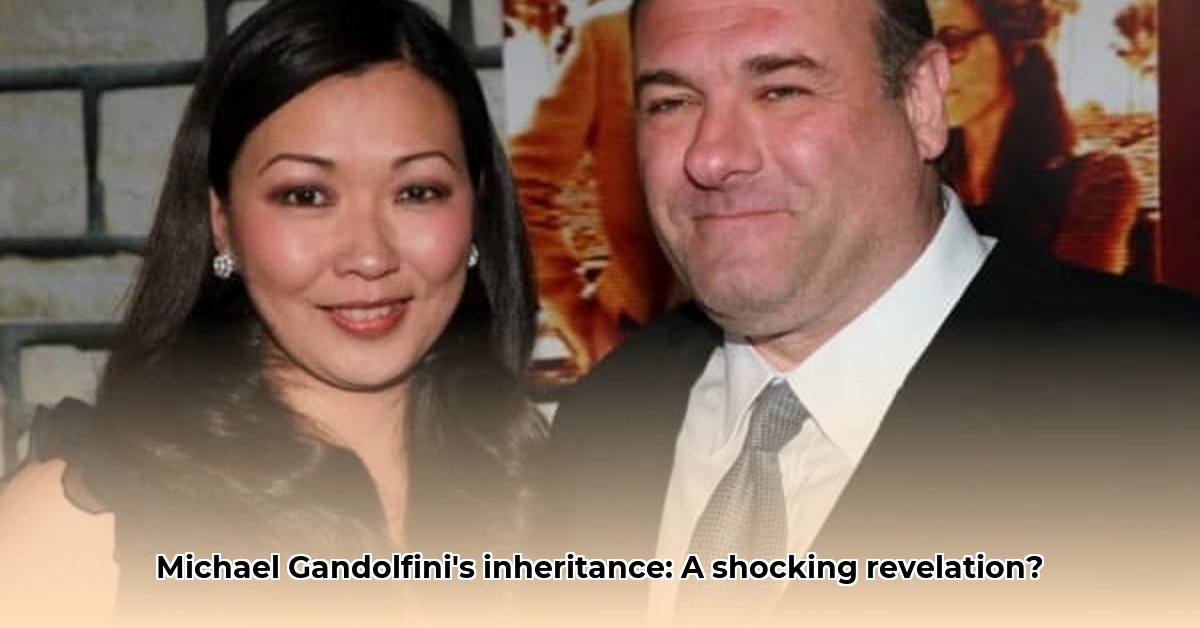
The sudden death of James Gandolfini, leaving behind an estimated $70 million estate, serves as a stark reminder of the critical importance of comprehensive estate planning. His case, particularly regarding the inheritance of his daughter, Liliana, highlights the complexities and potential pitfalls of high-net-worth wealth transfer. This article explores the Gandolfini estate's challenges, focusing on the lessons learned and providing actionable steps for effective estate planning.
The High Cost of Neglect: Estate Taxes and the Gandolfini Estate
James Gandolfini's estate faced an estimated $30 million tax bill, a significant portion of his overall wealth. This substantial tax burden underscores the critical need for proactive estate planning, especially for high-net-worth individuals. Did you know that failing to plan can result in the loss of nearly half your estate to taxes? This sobering reality emphasizes the importance of implementing strategies to mitigate this significant financial impact.
Protecting Your Legacy: Planning for Diverse Beneficiaries
Gandolfini's will likely included provisions for his wife, son Michael, and daughter Liliana. The differing structures of their inheritances likely reflected the distinct needs of a minor child versus an adult. This highlights the necessity of tailoring estate plans to each beneficiary's specific circumstances and life stage. How can you ensure your children's inheritances are managed responsibly and used wisely? The answer often involves the strategic use of trusts.
Strategic Wealth Preservation: Trusts, Charitable Giving, and More
The Gandolfini estate's experience demonstrates the power—and potential shortcomings—of various wealth management techniques. Trusts, for example, can act as protective guardians of assets, ensuring funds are properly managed and released at appropriate times. Strategic charitable giving not only benefits worthy causes but also offers substantial tax advantages. However, these strategies demand careful planning and execution. Working with experienced professionals can ensure your chosen methods are aligned with your goals and adhere to legal requirements.
The Invaluable Role of Experts: Why Professional Guidance Is Essential
Navigating the intricacies of estate law is a challenging endeavor. Without expert guidance, the risk of costly errors and unintended consequences is significant. The Gandolfini case vividly illustrates the value of professional assistance. Collaborating with an estate planning attorney and a financial advisor is crucial for creating a legally sound and tax-efficient plan customized to your individual needs. Their expertise ensures your wishes are carried out smoothly and effectively, minimizing potential complications.
Adapting to Change: The Importance of Regular Review
Estate planning is not a static process. Your life circumstances, asset holdings, and even the tax laws themselves are subject to change over time. Regular review and updates to your estate plan—ideally every few years—are crucial for maintaining its effectiveness. This proactive approach ensures your plan remains aligned with your evolving needs and current legislation.
Liliana Gandolfini's Net Worth: Understanding the Uncertainties
Determining Liliana Gandolfini's precise net worth is presently difficult. Her inheritance is likely structured for staggered distribution, as is common for minors. While the overall estate value is public knowledge, the exact amount allocated to each beneficiary and the timing of distributions remain private. It's safe to assume a substantial inheritance, but the exact figure remains undisclosed until the terms of the will fully unfold.
A Practical Guide to Effective Estate Planning: Key Steps
Below is a step-by-step guide to help you build a robust estate plan:
- Seek Expert Counsel: Consult with an experienced estate planning attorney and a financial advisor.
- Inventory Your Assets: Create a thorough list of all assets and liabilities.
- Define Your Goals: Clearly state your wishes for asset distribution and beneficiary provisions.
- Identify Beneficiaries: Name your beneficiaries, considering age and needs.
- Strategize for Taxes: Implement tax-minimizing strategies with professional guidance.
- Build Your Plan: Create a detailed plan encompassing wills, trusts, and other relevant documents.
- Review and Update: Regularly review and update your estate plan to account for life changes.
The Gandolfini estate case serves as a powerful illustration of the importance of well-structured estate planning. It’s not just about wealth accumulation; it’s about protecting your family's future and ensuring your wishes are honored responsibly and efficiently. Proactive planning, with expert guidance, is the key to achieving this essential goal.
Minimizing Estate Taxes: Strategies for High-Net-Worth Individuals
Key Takeaways:
- Proactive estate planning is essential for high-net-worth individuals to mitigate substantial tax burdens.
- Strategic asset allocation and the use of trusts can significantly reduce the tax burden.
- Tailoring inheritance provisions to individual beneficiaries' needs is crucial.
Learning from the Gandolfini Inheritance: A Case Study in Estate Tax Mitigation
The Gandolfini estate's experience underscores the considerable tax challenges faced by high-net-worth individuals. While exact figures regarding Liliana's inheritance remain private, the case highlights the crucial need for proactive planning to minimize estate taxes. Let's delve into practical strategies to avoid a similar situation.
Understanding Estate Tax Implications: A High-Net-Worth Reality
The US estate tax applies to estates exceeding a certain threshold. While the threshold is substantial, it still leaves many wealthy families exposed. Understanding the implications of this tax for high-net-worth estates is the first step towards effective mitigation. Many strategies exist to minimize your tax burden.
Tailoring Your Plan: A Personalized Approach to Beneficiary Needs
The Gandolfini case exemplifies the importance of considering each beneficiary's individual circumstances. Minors require different provisions than adults, requiring trusts that protect assets until maturity. For adults, the approach may vary depending on their financial maturity and individual needs.
Advanced Tax Mitigation Strategies: Trusts and Beyond
Sophisticated trusts offer versatile tools for tax reduction, allowing for flexible asset management and distribution. These include Irrevocable Life Insurance Trusts (ILITs) and Grantor Retained Annuity Trusts (GRATs). Charitable giving and charitable remainder trusts (CRTs) can provide financial benefits while reducing your taxable estate.
The Power of Professional Advice: Building a Strong Team
Estate planning is best approached with a team of experts—an estate planning attorney, a financial advisor, and potentially a tax accountant. Their collective expertise ensures a comprehensive and legally sound plan tailored to your unique situation.
The Ongoing Need for Review and Updates: Adapting to Change
Regularly reviewing and updating your estate plan is vital, ideally annually, to adapt to changes in personal circumstances, asset holdings, and tax laws. This commitment to ongoing adaptation is key to maintaining an effective strategy.